Skip to content
Kalley Krickeberg’s

Off-Track Thoroughbred Program

A transformational program grounded in passion, practicality, and 35 years of proven horsemanship.
The OTTB Project Mission Statement

To create awareness about adopting or purchasing the OTTB, and to provide a comprehensive, tailored, and balanced program that successfully transitions them into new careers—supporting both horse and owner every step of the way.
The OTTB Transitional Training Program

Kalley’s OTTB Transitional Training Program is built for horses coming off the track shifting into new careers. It’s about helping these athletic, high-drive horses slow down, think, and learn to connect through feel and understanding.

This program combines the fundamentals of Balanced Horse Training with a thoughtful, step-by-step approach designed specifically for the Thoroughbred Racehorse mind. It teaches both horse and handler how to replace both instinctive and ill-trained reactions with calm responses — creating confidence, control, and partnership on the ground and under saddle.

The program lessons and instruction cover three core phases of transitional training, each organized into essential steps and stages, helping the Off-Track Thoroughbred find mental balance, follow a light feel, and get a fresh start. Each stage builds on the last, keeping the training process simple, clear, and safe for both horse and human.

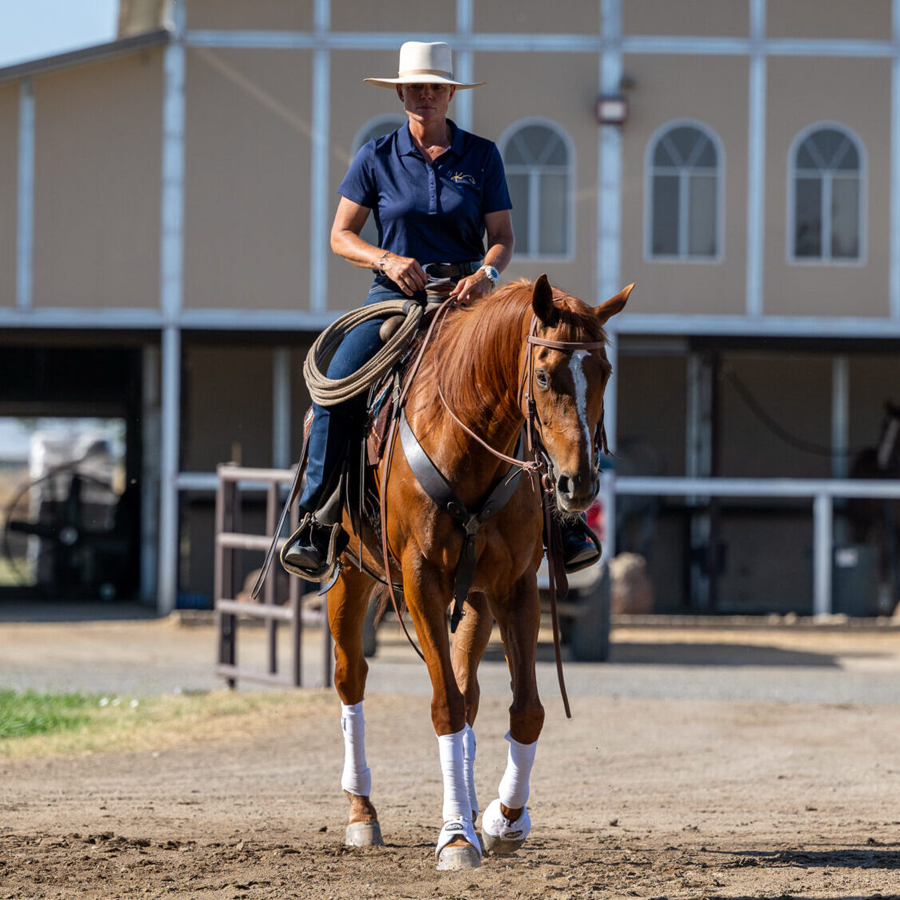
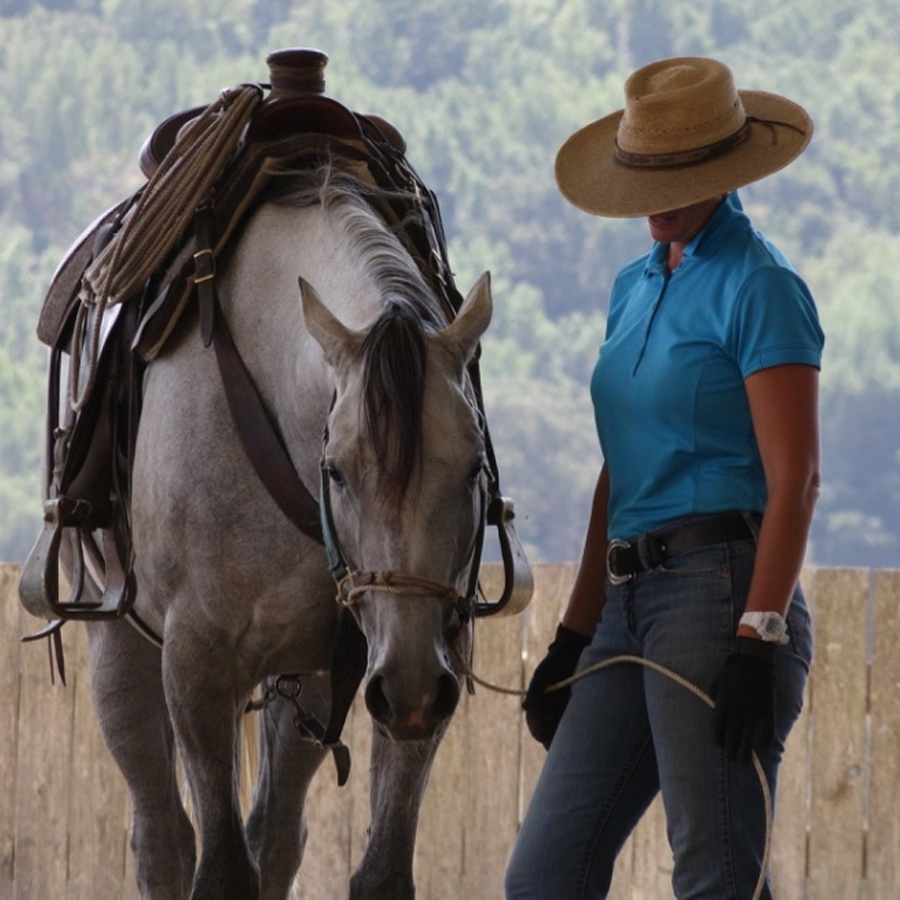
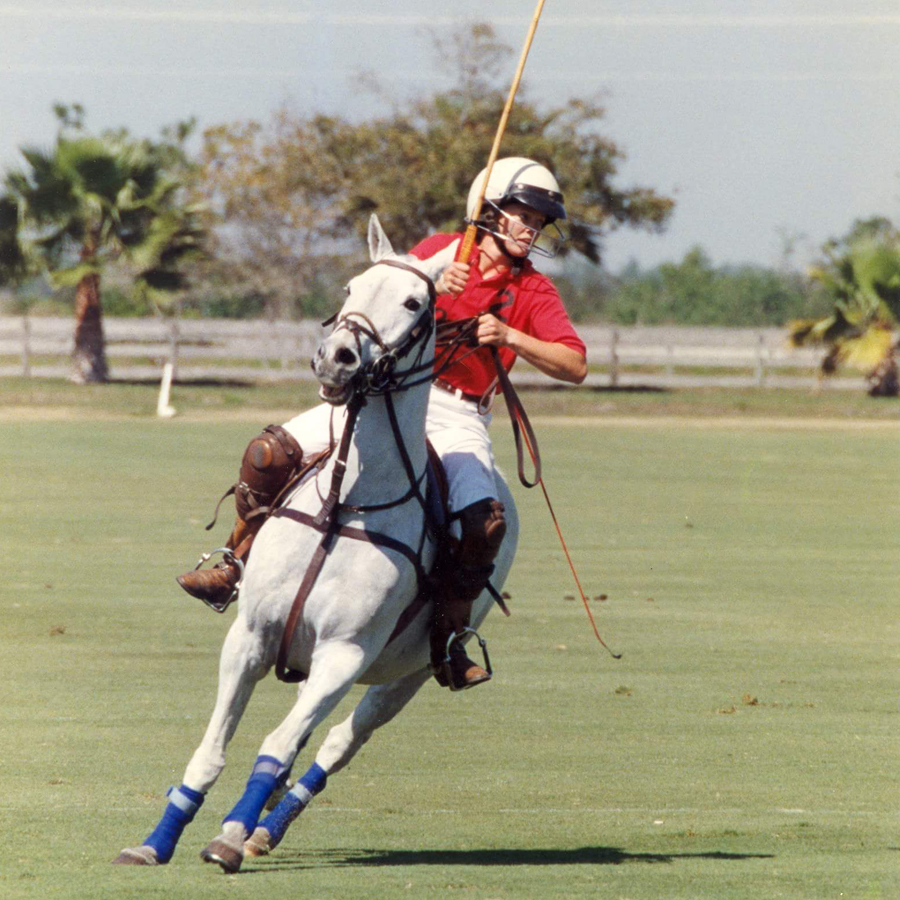
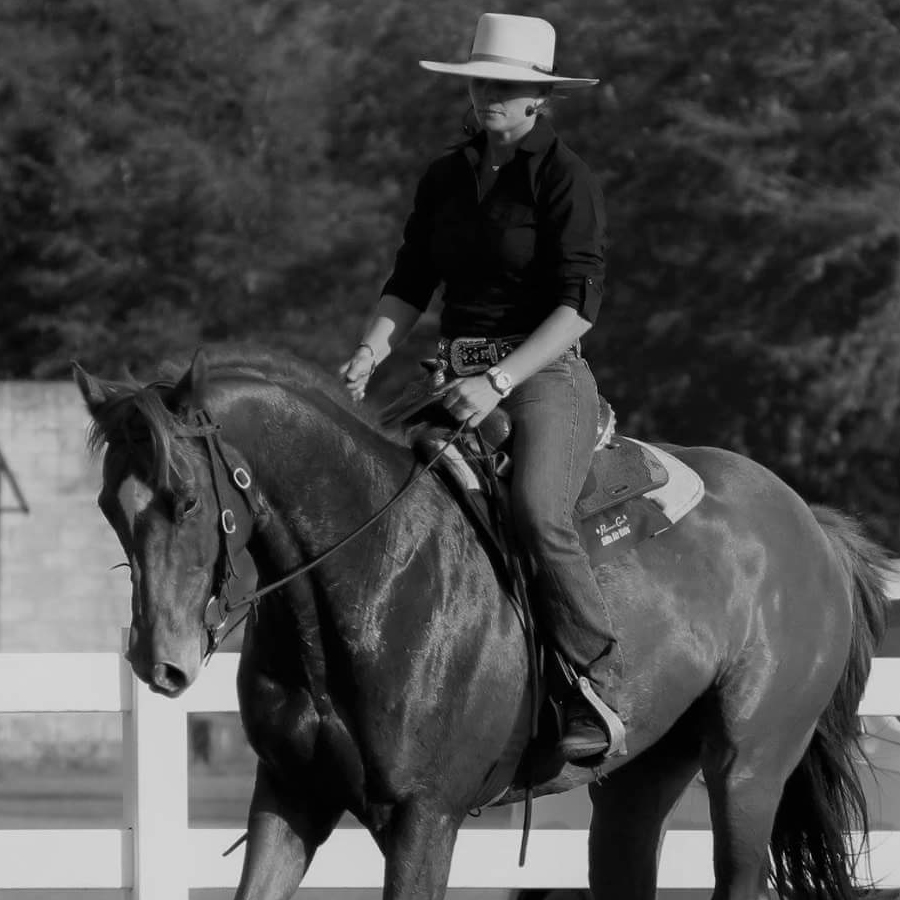
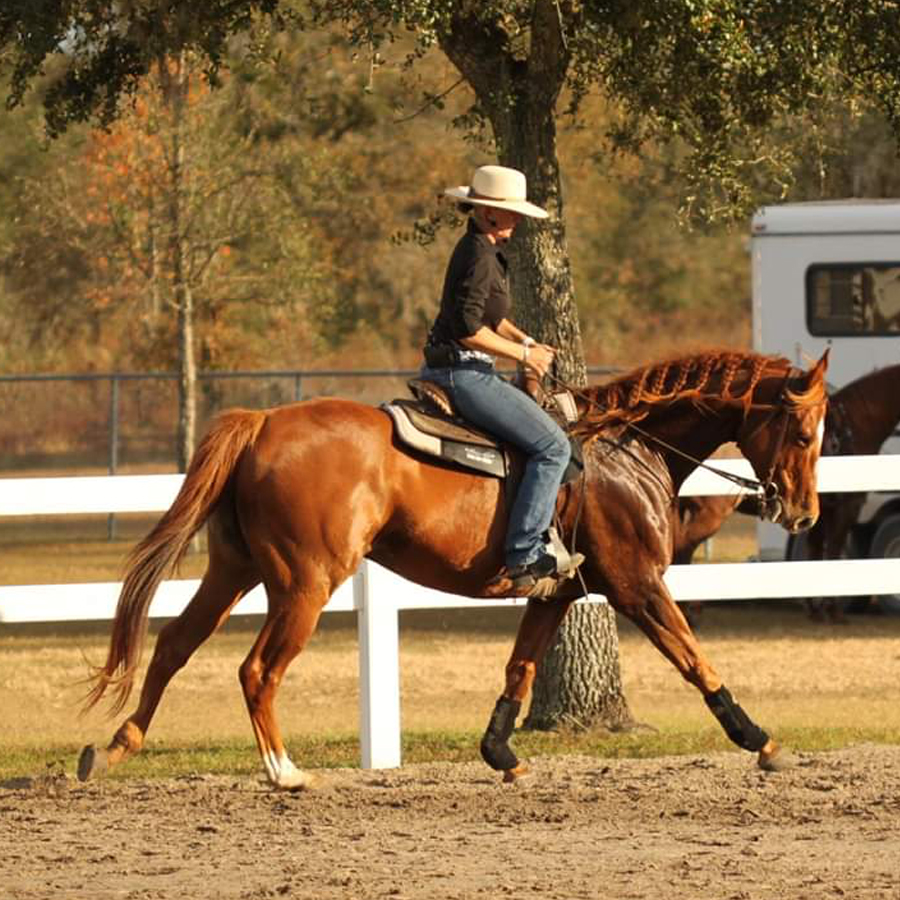
The Thoroughbred has always been my “heart” breed, and the success I’ve had retraining the Off Track Thoroughbred specifically into ranch horses and Polo horses, is the reason I have the ability to get along with any breed, any disposition, any temperament. I have garnered a reputation for being a “fixer” because, from the beginning, I learned to adapt to the horse, instead of making the horse adapt to me. This fundamental belief is a thread I sew throughout my training philosophy and program.
We must have a plan and goal, then adjust the path to goal according to the individual if we expect to have long term success. Putting the OTTB Transitional Training Program together, supporting the horse and owner with their goals and plans, at this point in my career, is one of my most crowning achievements. Seeing life through these eyes and 35 years of training all classes, breeds, disciplines, and having studied with some of the most incredible horsemen in the world, makes this project very special to me. It gives me something to hand off to you that is proven – grounded in practicality, reason, accuracy, and passion. And, tt is a way I can give back to the industry – the industry I love.

The OTTB Transitional Training Program

Why a Western Discipline/Polo/Ranch Focus:

Because all horses can have success in life and successes in any discipline if:
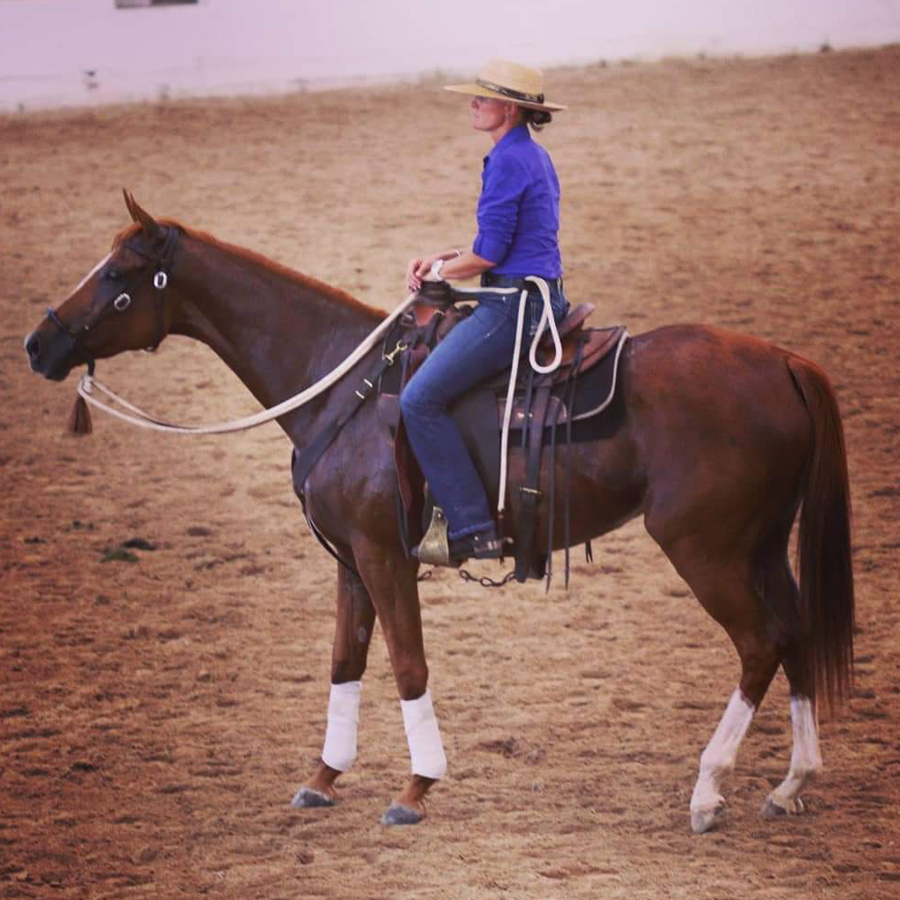
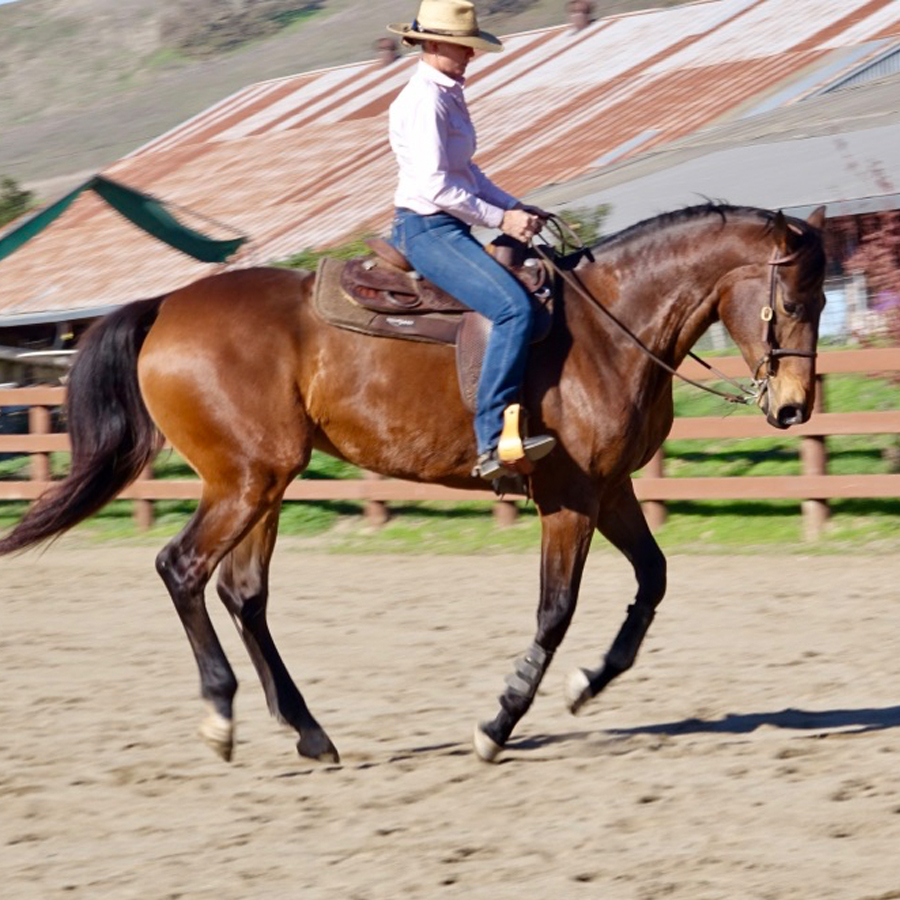
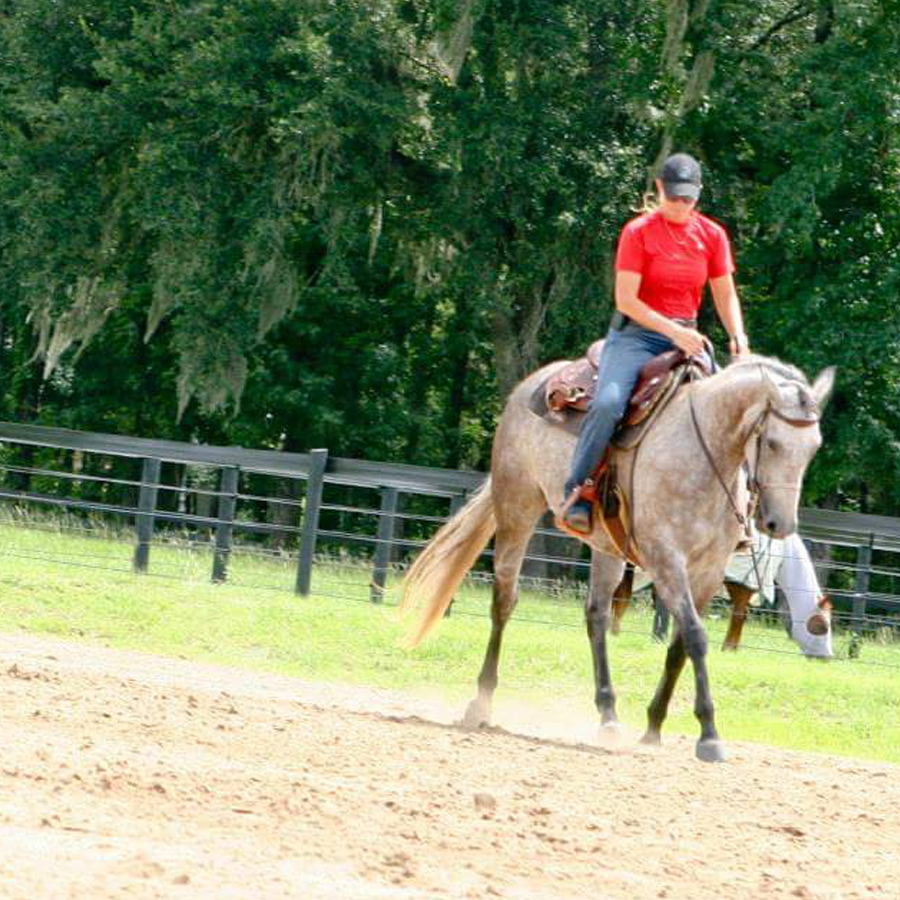
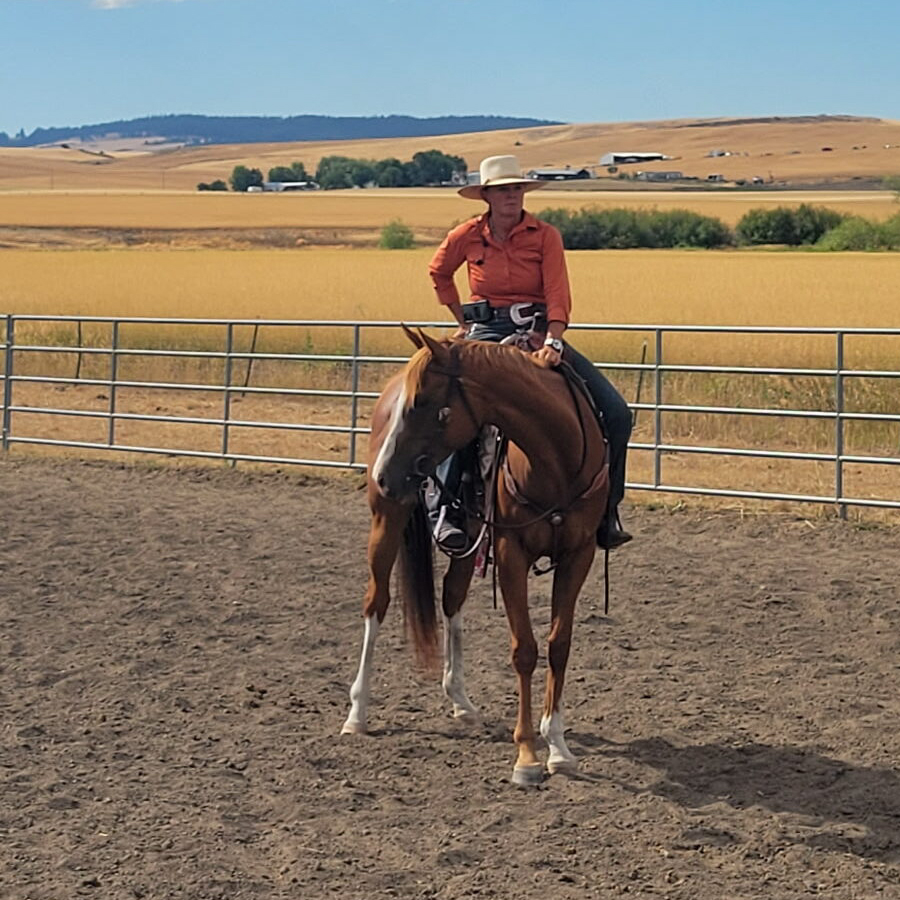
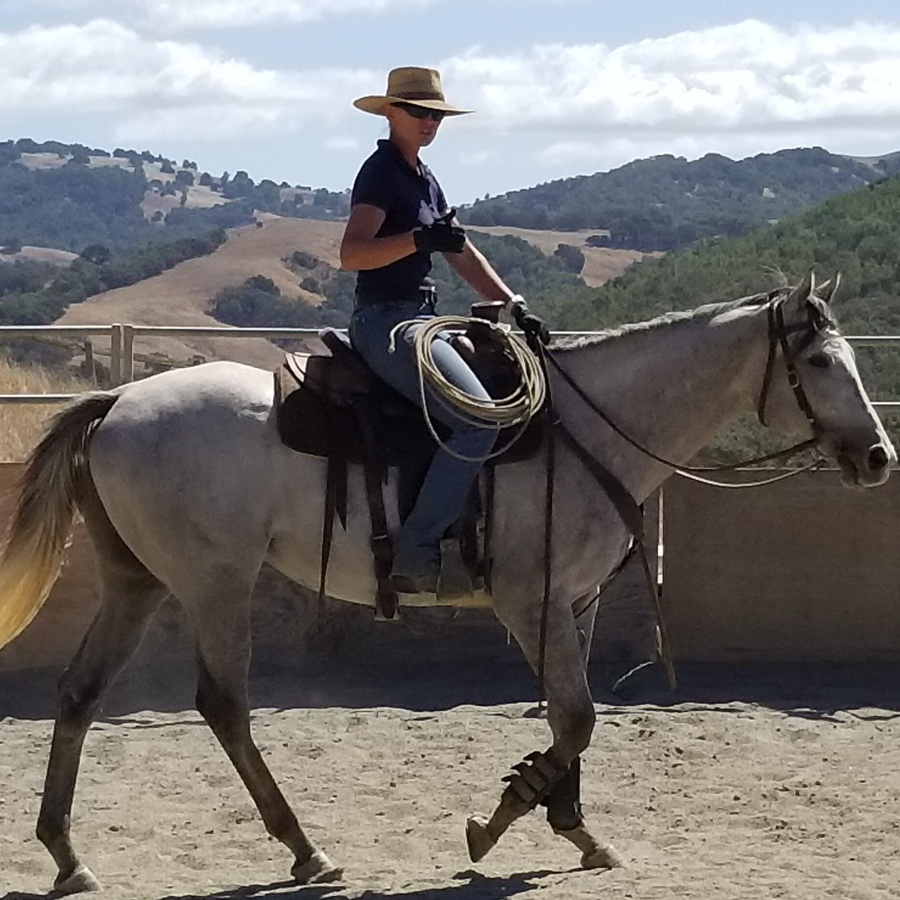
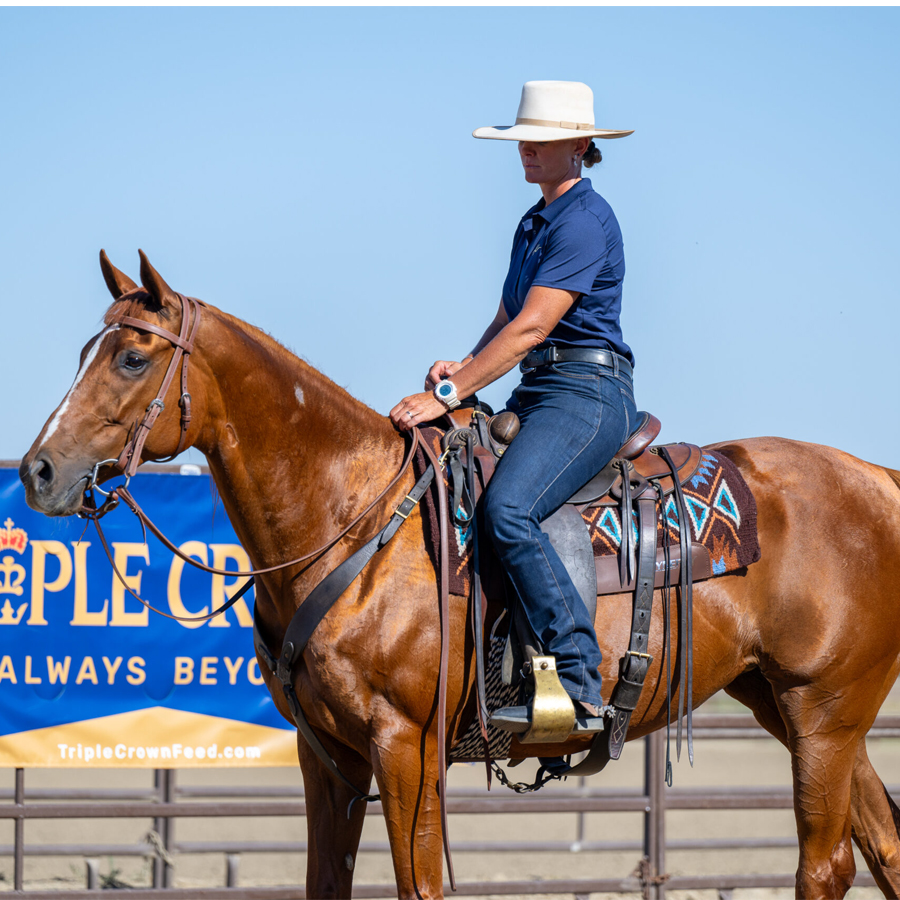
With a Western discipline or Working Equitation style one-handed riding focus, it forces the rider/trainer to teach the OTTB to relax and be okay with; maneuvers, obstacles, ropes, cows, mallets, and organized chaos. The horse learns to manage life and keep their wits about them, and not simply be “held together” which easily happens when riding with 2 reins and contact. Polo, Working Equitation, Western discipline competitions, and ranch work require one-handed riding, and most times it is required to do the work on a loose rein.
Teaching a horse to walk trot and canter on a LOOSE REIN is one of the most valuable and important things a horse can learn for their own self-control and mental stability.
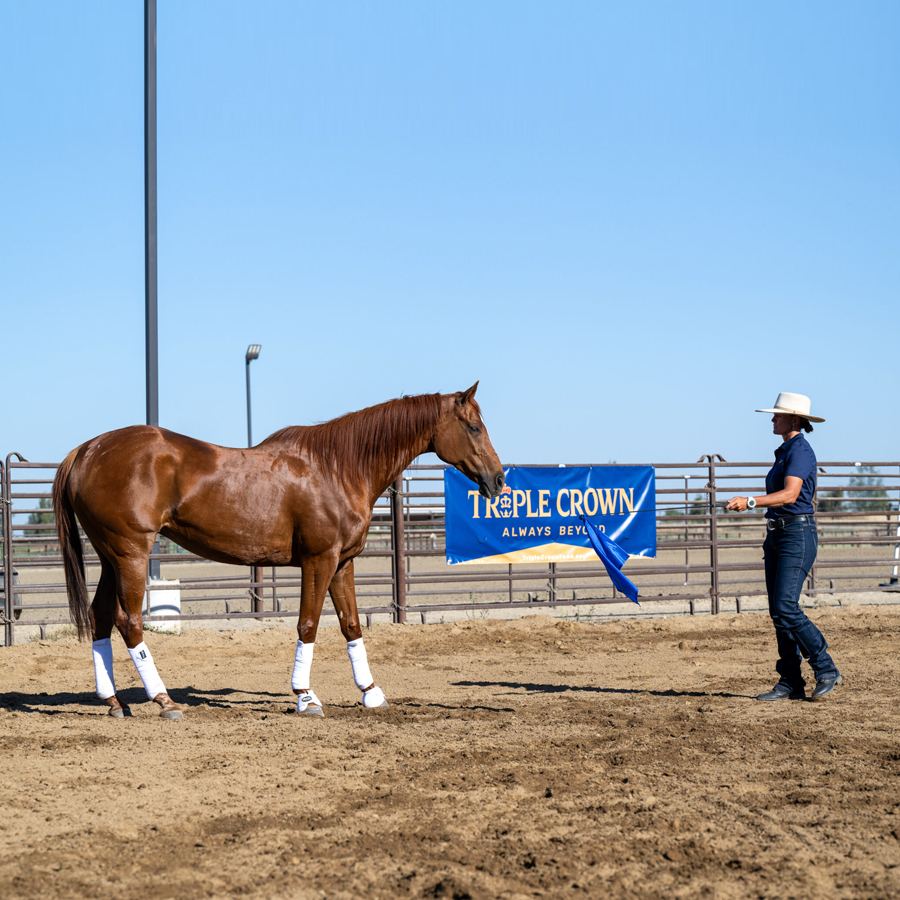
The faster you can teach the OTTB that the goal is right in front of them (to watch their feet over challenging terrain, obstacles, follow a cow, move with a cow-flag and/or follow a Polo ball) instead of being mentally miles away searching for the invisible finishline, the faster they will become a teachable partner. **Important to note: a partner HELPS, a partner doesn’t fight, they aren’t afraid, they don’t try to trick, work against, or out do their counterpart… they HELP. They do their job so you can do yours.
We need to help teach the horse to be adaptable to change, by giving it a set of skills and expectations to work within no matter what. This creates stability in the horse.

Transitional Training Program Details

Phase I

Ground Manners

Building Safety, Respect, and Trust

Phase II

Groundwork

Building Body Control and Mental Connection

Phase III

Riding

From Track Horse to Riding Partner

Ready to Start Your Horse’s Transformation?

$35/Monthly

$420

$391 (7% discount) Billed Annually

Markets for the Thoroughbred outside of Racing
Eventing
Polo
Jumping
Ranch
Trail
Endurance
Pleasure

What to Know About the OTTB

The possible Negatives with OTTBs Specifically
The possible Positives with OTTBs Specifically

Shop Featured Products

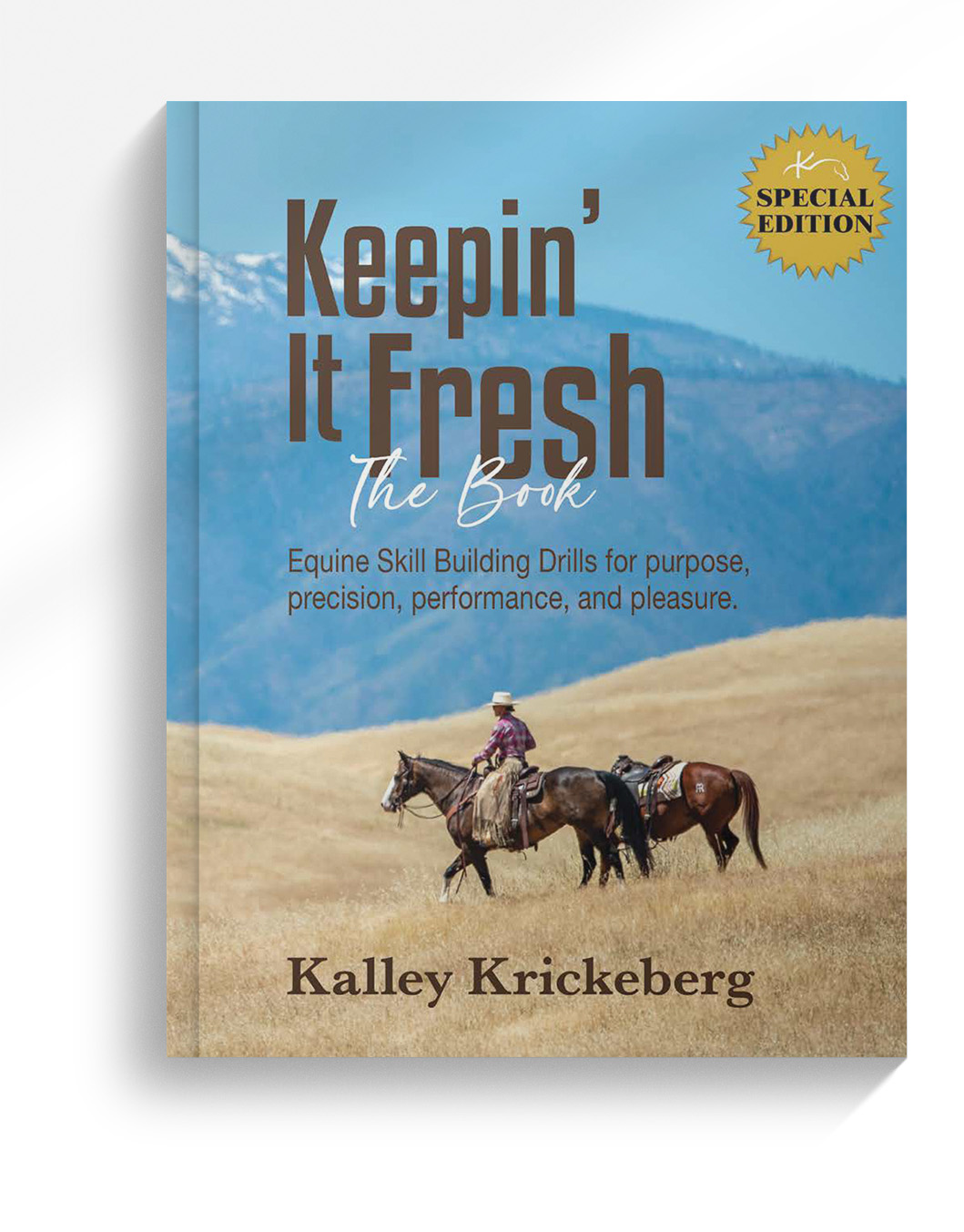
Keepin' It Fresh - The Book

Kalley Krickeberg is a world-class equestrian who developed her innovative Balanced Horse Training (BHT) curriculum through extensive study across multiple disciplines.

Foaling Season is Here!

Don’t get caught without the essentials. Kalley will help set you and your new arrival up for success, whether that’s with high quality tools or helpful tips for safe and proven steps for a smooth halter breaking process.
OTTB Program – Phase I

Ground Manners

Building Safety, Respect, and Trust

Overview
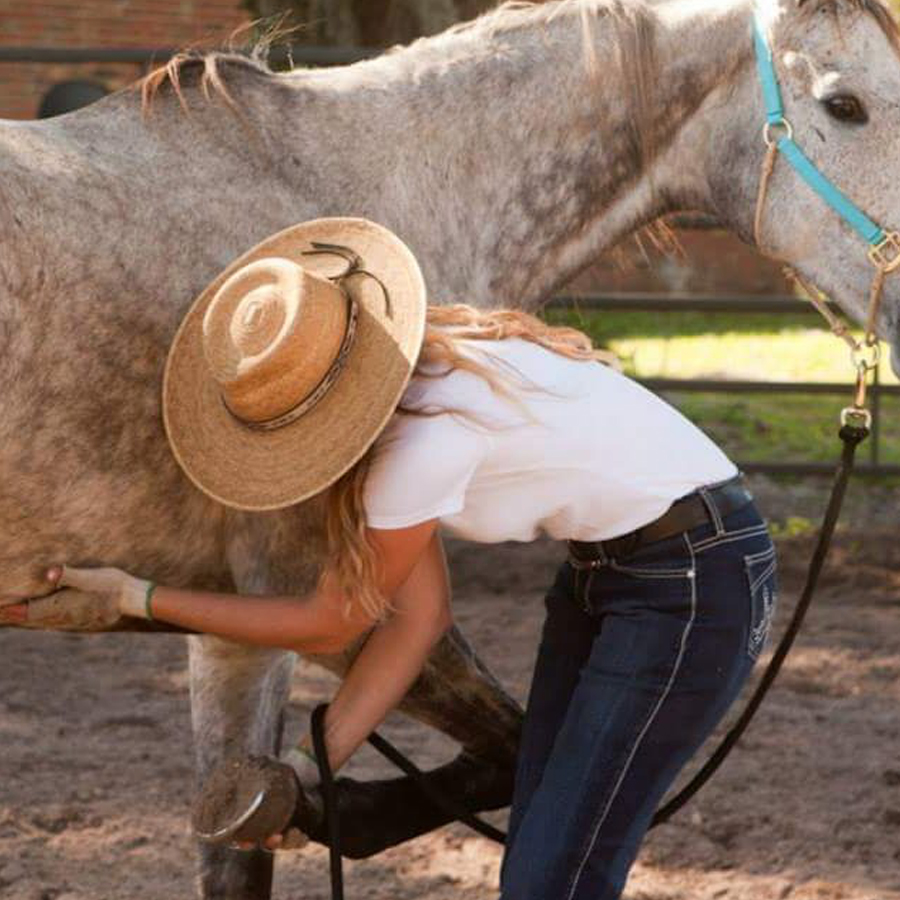
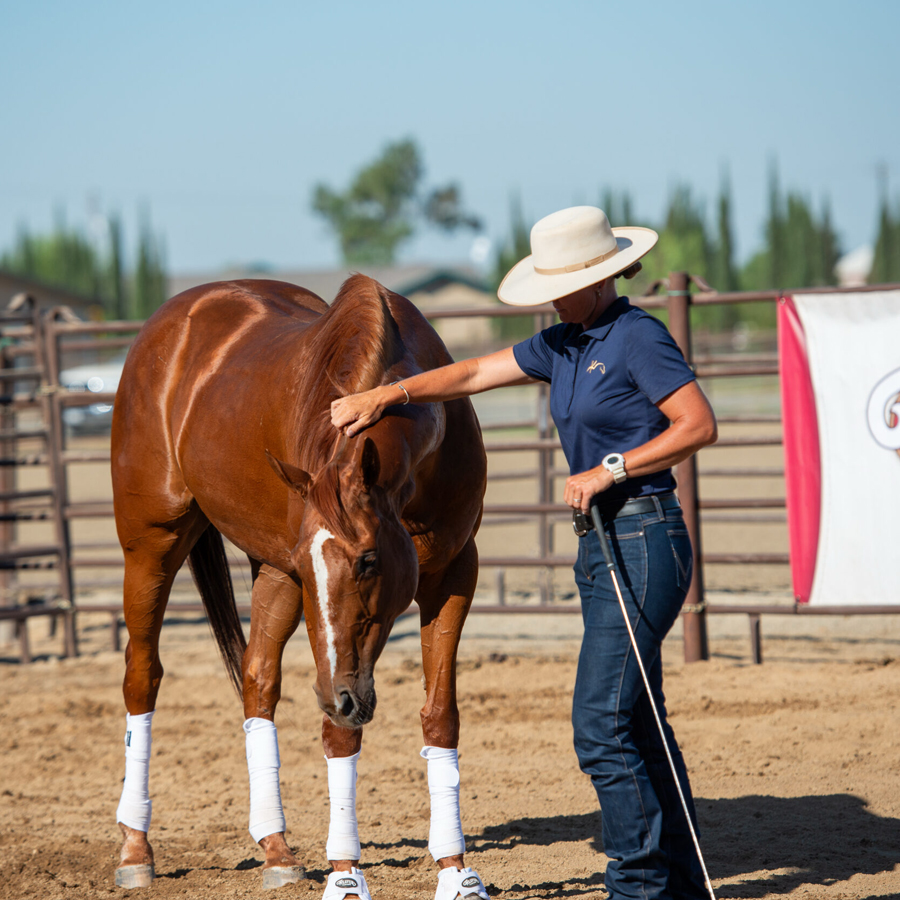
Before a horse can relax under saddle, it must feel safe and understood on the ground.These lessons are about teaching the OTTB to think instead of react, and to respect personal space without fear or tension.
Why It Matters
Good ground manners create safety and peace of mind for everyone. These skills build mutual respect and help the OTTB learn that being handled is something to look forward to — not something to brace against. The horse begins to replace “flight” with “focus.”
What you’ll Work On
OTTB Program – Phase II

Basic Groundwork

Building Body Control and Mental Connection

Overview

Once the horse is calm and manageable on the ground, it’s time to start communication through movement. These stages teach the OTTB how to yield to pressure, follow the handler’s focus, and develop confidence through purposeful work.

Stages
What You’ll Work On
Why It Matters
This stage replaces racing instinct with responsiveness. The horse begins to understand how to read the handler’s intent, find comfort in stillness, and accept direction without anxiety. It’s the foundation of self-control.
This is where the OTTB learns curiosity instead of fear. We use obstacles to teach the horse to think and move through challenges calmly.
What You’ll Work On
Why It Matters

Horses coming off the track can often be desensitized to a soft feel, but hypersensitive to noise and motion. This stage rebuilds emotional balance — teaching them to pause, assess, and relax in motion.

OTTB Program – Phase III

Basic Riding Skills

From Track Horse to Riding Partner

Overview
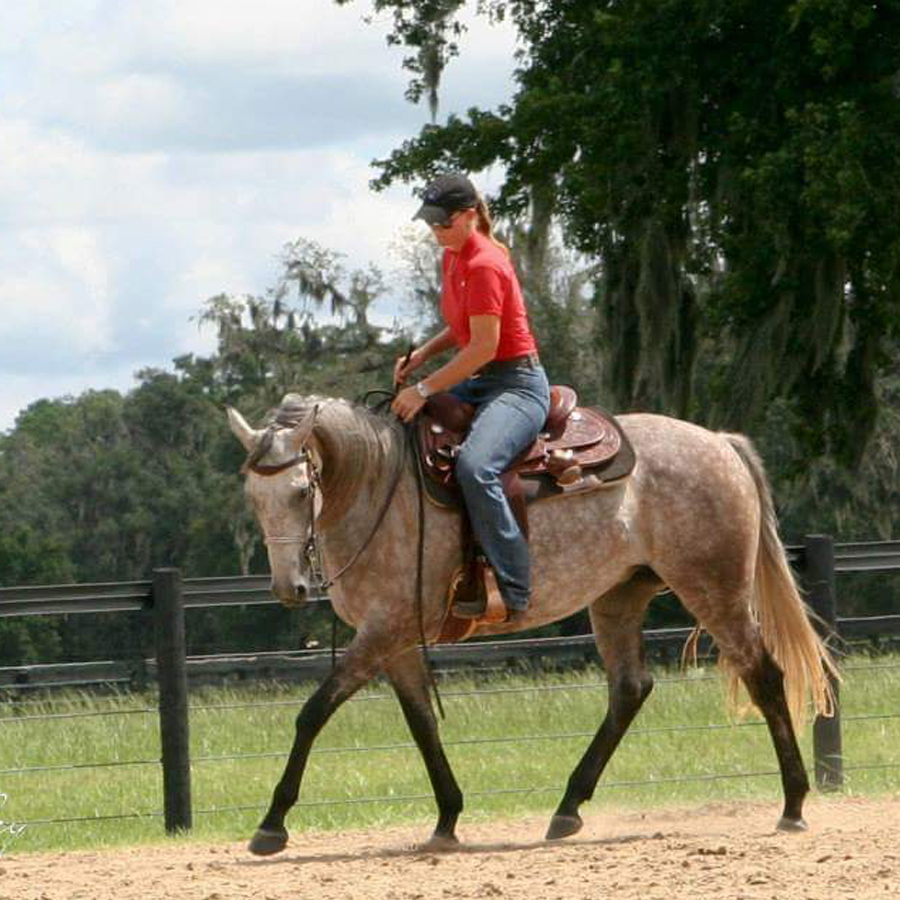
When Groundwork is solid, the OTTB is ready to transition under saddle. These lessons help the horse understand how to respond correctly to pressure from the rider’s seat, legs, and reins — not act like they are continuously charging out of the starting gate of life.
Stages
What You’ll Work On
Why It Matters

This stage establishes safety and control under saddle. It replaces reaction with response and teaches the OTTB to stay light or slow down/stop when asked to move out.

What You’ll Work On
Why It Matters

Thoroughbreds are forward thinkers. This stage teaches them that forward motion doesn’t mean racing — it means thinking. The horse learns rhythm, control, and patience.

What You’ll Work On
Why It Matters

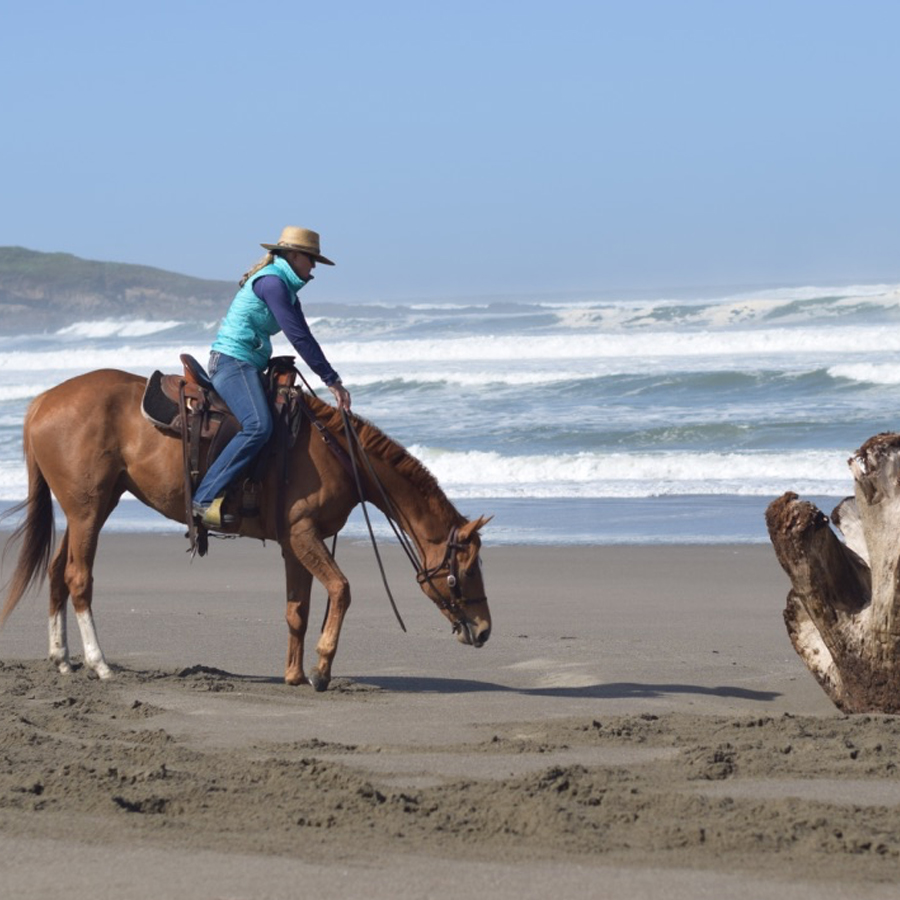
This stage transitions the OTTB from “tolerating” to “trusting.” The horse learns to carry the same confidence outside the arena that was built inside it. Each new experience is approached with calm curiosity instead of tension, resistance or panic.

“You can’t rush trust and respect. You build it one experience at a time.” — Kalley Krickeberg

Working with Kalley Krickeberg has completely changed the way my OTTB and I work together. When I first started, my horse had all the raw talent in the world but not a lot of direction. He was forward, sensitive, and athletic, but still very much a racehorse in his mind. Kalley helped us turn that energy into something focused and productive.

Her training has improved every part of our program. In show jumping, she taught us how to balance, stay rhythmic, and ride each fence with confidence instead of just “getting to the other side.” She explains things in a way that actually makes sense, and she always pays attention to what both horse and rider need. Because of that, my OTTB has gone from unpredictable distances and inconsistent form to jumping around with power, straightness, and relaxation.

But what I appreciate most is that Kalley doesn’t just help create a competitive horse. she builds a complete, well-rounded partner. She helped us develop softness on the flat, better lateral work, and the kind of adjustability that makes everything else easier. My horse is more responsive, more confident, and honestly happier in his job.

Thanks to Kalley’s guidance, I feel like I finally have a horse who can do it all, and I’ve grown a ton as a rider along the way. I’m so grateful for the foundation she’s helped us build and the progress we continue to make because of her.

Augie Staudacher & Lewis Cielo